How AI Agents Improve Customer Support for Small Businesses
AI Agents
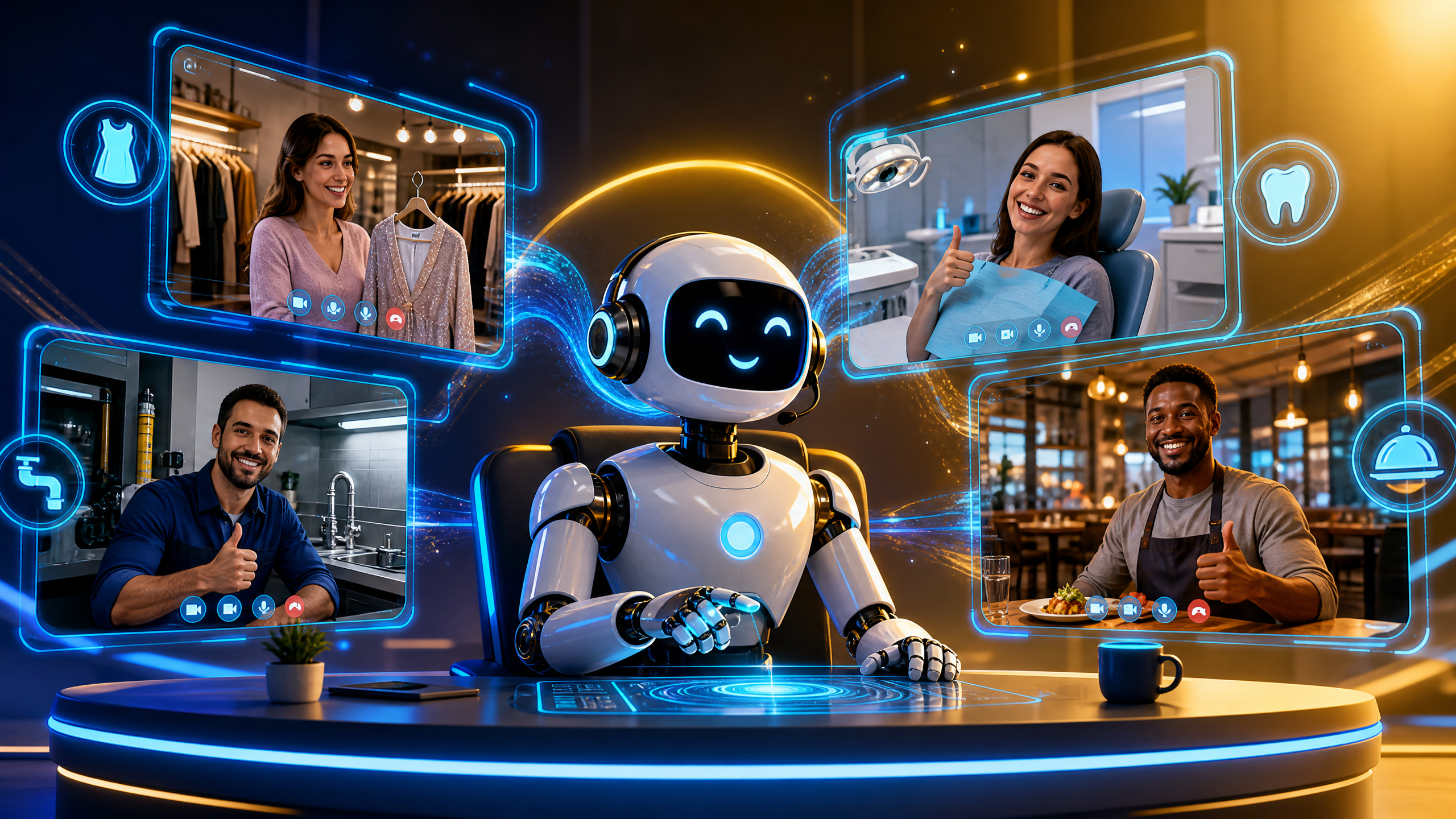
Customer support is the lifeblood of any small business. A negative interaction can result in a lost customer, while a seamless experience creates brand advocates. Providing excellent customer support is incredibly resource-intensive. Owners frequently find themselves torn between focusing on strategic growth and answering repetitive emails, phone calls, and messages.
The traditional solution was to hire more staff, but that approach destroys profit margins. Today, AI agents for business offer a revolutionary alternative. By deploying autonomous digital workers, small businesses provide enterprise-level support 24/7 without the enterprise-level price tag. This article explores use cases demonstrating how AI staff transform customer service operations.
1. The 24/7 E-Commerce Assistant
Imagine a boutique online clothing store. The owner spends three hours every morning answering the same questions: “Where is my order?” and “What is your return policy?” Customers who email on Friday night must wait until Monday morning for a response, leading to frustration and canceled orders.
By integrating an AI support agent, the boutique changes its operational model. When a customer asks about order status at 2:00 AM, the AI accesses the Shopify database, retrieves the tracking number, and replies within seconds. If a customer asks about returns, the AI provides the policy and generates a return label. This AI automation for entrepreneurs eliminates the Monday morning backlog and ensures immediate gratification, reducing churn.
2. The Restaurant Reservation Host
A bustling local restaurant struggles with phone volume during the dinner rush. The host is forced to choose between greeting the guests standing in front of them or answering the ringing phone. Consequently, many calls go to voicemail, resulting in lost reservations and lost revenue.
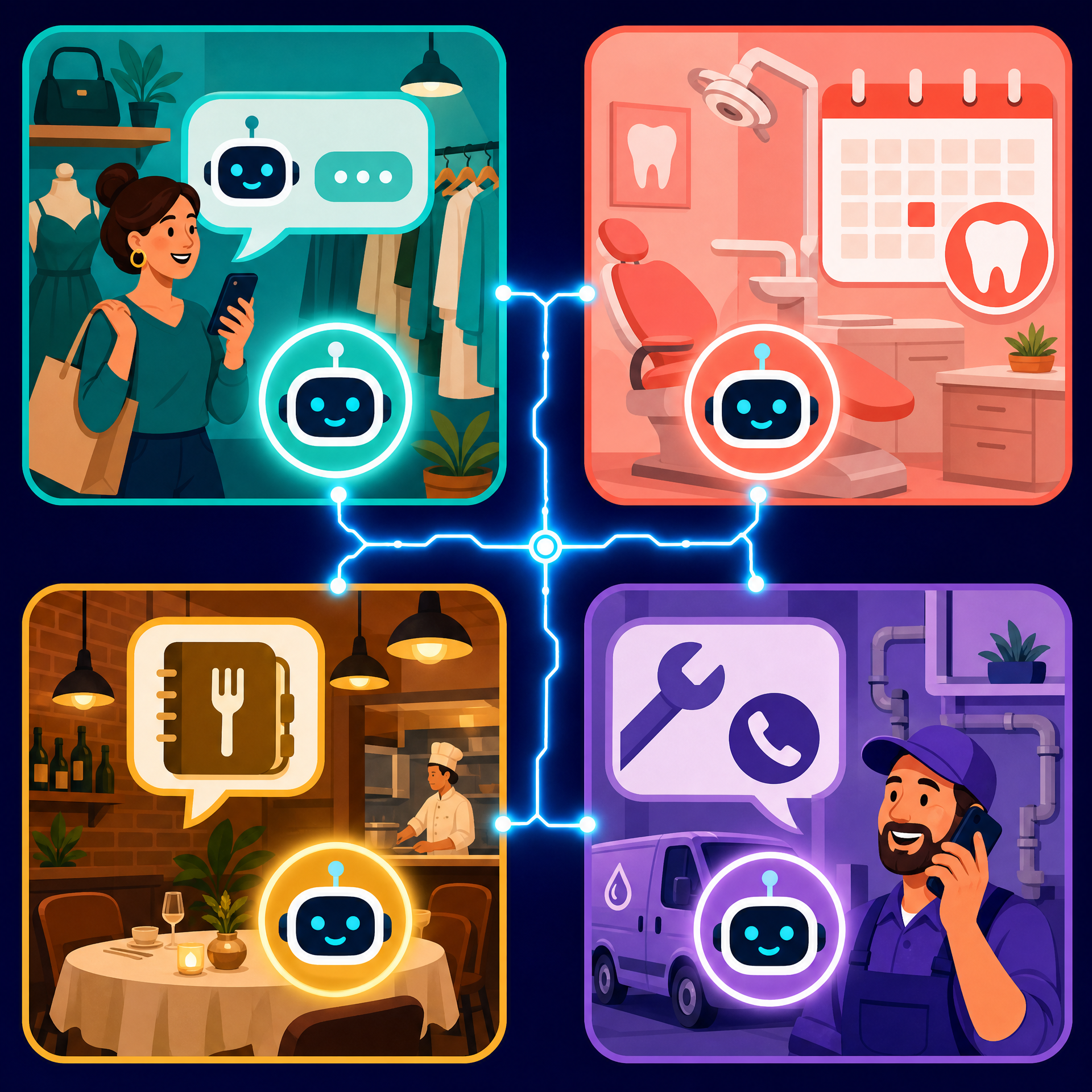
Deploying an AI phone agent solves this bottleneck instantly. When the phone rings, the AI answers with a cheerful greeting and handles multiple callers simultaneously. If a caller wants to book a table, the AI checks the digital reservation system, confirms availability, and books the table autonomously. It also answers questions about the menu. The human host is freed to focus entirely on providing hospitality to guests physically present.
3. The Dental Clinic Scheduler
A busy dental clinic employs two full-time receptionists just to manage the schedule. Patients frequently call to reschedule appointments, ask about insurance coverage, or request emergency visits. The constant administrative burden leads to long hold times and a stressful environment in the waiting room.
An AI scheduling agent streamlines this entire process. Patients interact with the AI via text, chat, or phone. The AI seamlessly navigates complex scheduling logic, ensuring a standard cleaning is booked for forty-five minutes while a root canal is allocated two hours. It securely verifies basic insurance information by connecting to the clinic’s database. This implementation of AI business systems reduces administrative overhead, eliminates hold times, and allows staff to focus on patient care.
4. The Plumbing Dispatch Coordinator
A local plumbing company receives dozens of calls a day. Some are routine maintenance requests, while others are absolute emergencies, like a burst pipe flooding a basement. The dispatcher must quickly triage these calls, gather the necessary information, and route the correct technician to the job.
An AI dispatch agent excels at this type of triage. When a customer calls, the AI asks qualifying questions to determine severity. If it detects an emergency, it flags the ticket as high priority and sends an SMS alert to the technician. It gathers critical details so the technician arrives fully prepared. This intelligent routing ensures emergencies are handled immediately while routine calls are scheduled efficiently.
5. The Software-as-a-Service (SaaS) Troubleshooter
A growing SaaS company is overwhelmed by technical support tickets. Users frequently forget their passwords, struggle with basic integrations, or encounter minor bugs. The engineering team is constantly pulled away from developing new features to help the support team resolve these repetitive issues.
By deploying an AI technical support agent, the SaaS company automates tier-one ticket resolution. The AI is trained on the company’s knowledge base. When a user reports an issue, the AI walks them through troubleshooting steps, provides code snippets, or triggers a password reset. According to Gartner, conversational AI resolves a significant percentage of technical queries without human intervention, allowing engineers to focus on high-value development.
6. The Real Estate Lead Qualifier
A successful real estate agent receives inquiries from multiple platforms: Zillow, their personal website, and social media. However, many of these inquiries are from casual browsers rather than serious buyers. The agent wastes hours every week calling unqualified leads.
An AI lead qualification agent acts as a protective barrier. When an inquiry comes in, the AI engages the prospect via text or email. It asks qualifying questions regarding budget, timeline, and pre-approval status. Only when a lead meets criteria does the AI schedule a phone call on the human agent’s calendar. By utilizing integrated AI workflows, the real estate agent ensures they only spend valuable time speaking with highly qualified buyers.
7. Multilingual Support for Diverse Markets
A small online retailer discovers that a significant portion of their website traffic comes from Spanish-speaking customers. However, their sole customer support representative only speaks English. Hiring a bilingual representative is expensive and difficult to justify for a small business.

Modern AI agents are natively multilingual. The retailer deploys an AI chat agent that automatically detects the language of the incoming message and responds fluently. The AI handles complex inquiries in Spanish, French, German, and dozens of other languages with perfect grammar. This capability expands the business’s total addressable market and provides a welcoming experience for a diverse customer base.
8. Proactive Customer Outreach
Traditional customer support is entirely reactive; the business waits for the customer to complain before taking action. This approach often results in a poor customer experience, as the customer is already frustrated by the time they reach out.
AI agents enable proactive customer support. If a shipping carrier reports a delay due to weather, an AI agent automatically identifies affected orders. It proactively emails those customers, explaining the delay and offering a discount code. This proactive communication turns a potentially negative experience into a positive demonstration of excellent care. Industry leaders like HubSpot emphasize that proactive service is a massive driver of customer loyalty.
9. Consistent Tone and Brand Voice
Human support representatives have bad days. Stress, fatigue, and personal issues can occasionally bleed into their interactions with customers, leading to inconsistent service quality.
An AI agent never has a bad day. It delivers the exact same professional and empathetic tone on the thousandth interaction as it did on the first. You can explicitly train the AI to adopt your specific brand voice. Whether formal or casual, the AI agent maintains that persona flawlessly across every single channel.
10. Data-Driven Insights and Analytics
When a human handles a support call, the data from that interaction is often lost. At best, the representative might leave a brief note in the CRM. Analyzing broad trends in customer complaints is nearly impossible without manually reviewing hundreds of tickets.
AI agents automatically categorize, tag, and analyze every interaction. They provide real-time dashboards showing exactly what customers are struggling with. If the AI notices a spike in questions about a product feature, it alerts you immediately, allowing you to fix the issue before it affects more users. This wealth of data allows informed decisions about product offerings. Publications like Forbes highlight data analytics as a primary benefit of AI integration.
The Future of Customer Care
The examples above are not science fiction; they are real use cases small businesses are implementing today. The transition to AI-augmented support represents a fundamental shift in operational efficiency.
By deploying AI agents, you enhance the human element of your business. You free staff from repetitive tasks so they can focus on complex problem-solving and building relationships with customers. The result is a leaner, more profitable business that delivers an exceptional customer experience 24 hours a day.
Ready to Upgrade Your Customer Support?
Stop overwhelming your team with repetitive questions and deliver instant service.
Try SmartPromptIQ AI Staff free today and discover how easily you can deploy an autonomous agent tailored to your industry.
Download 50 AI Staff workflows to see how intelligent systems handle real-world customer service.
Visit SmartPromptAgents today!