Why Every Modern App Needs AI Integration in 2026

The software landscape has experienced a seismic shift. Just a few years ago, building a functional application with a clean interface was enough. Today, functionality is merely the baseline. Users expect software to be intelligent, predictive, and highly personalized. In 2026, an application without artificial intelligence is like a smartphone without internet access—technically functional, but fundamentally obsolete.
For developers and SaaS founders, the mandate is clear: integrate AI or risk irrelevance. Whether you are building a consumer mobile app or a complex enterprise SaaS platform, leveraging AI agents for business is no longer an optional feature; it is the core engine of growth. This article explores why AI integration is the critical differentiator in the modern software market and how it directly impacts user retention and revenue.
1. Hyper-Personalization at Scale
Traditional applications offer a static user experience. Every user sees the exact same dashboard, menus, and content hierarchy. This one-size-fits-all approach forces users to adapt their workflows to your software, causing friction and frustration.
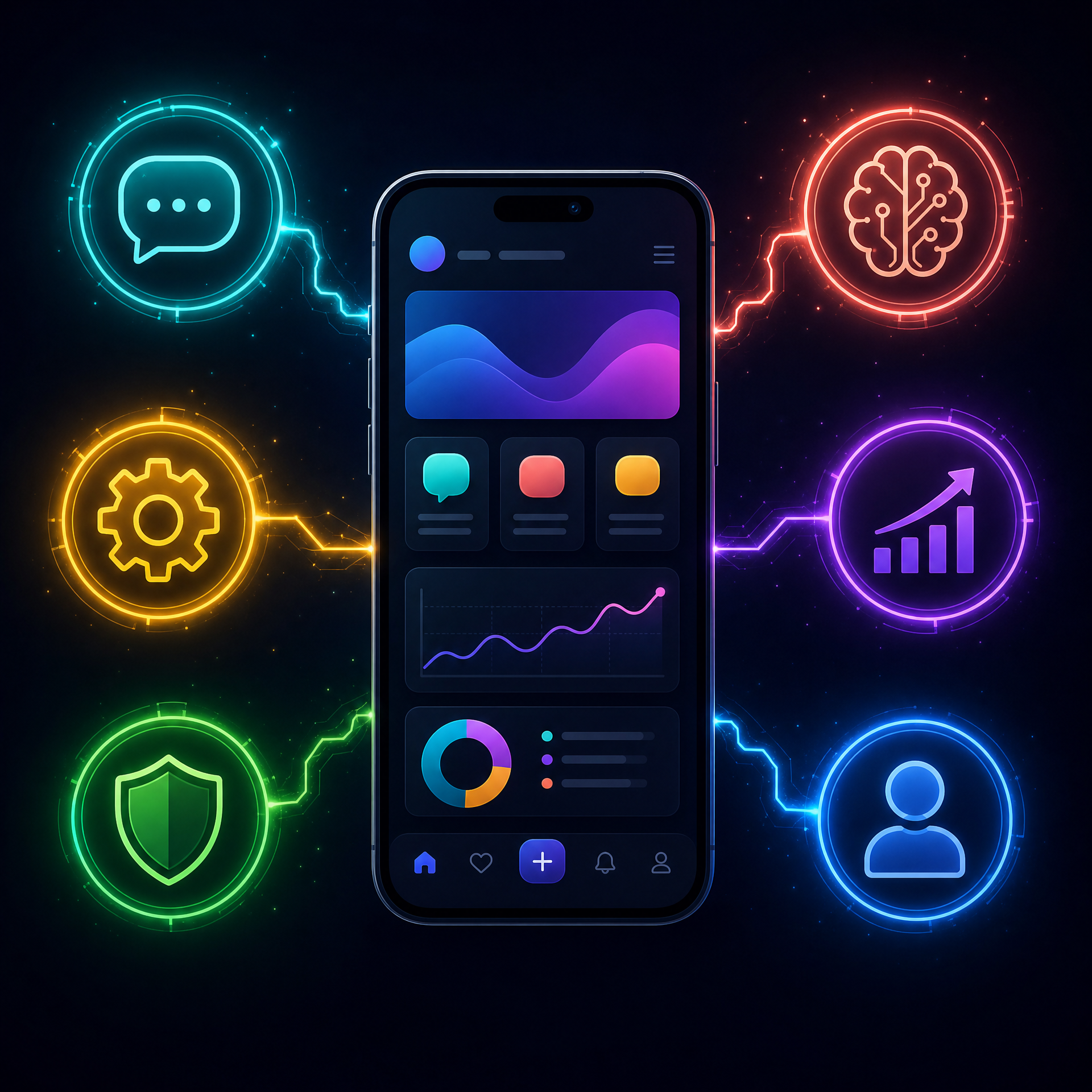
AI integration flips this dynamic. By utilizing machine learning, your application can analyze individual user behavior in real-time and adapt the interface accordingly. If a user frequently accesses a specific reporting tool, the AI automatically elevates that tool to the dashboard. This hyper-personalization makes the software feel tailor-made for every user. When users feel an application intuitively understands their needs, churn rates plummet. Utilizing comprehensive AI business systems ensures your software evolves alongside users.
2. Frictionless Onboarding Experiences
The onboarding phase is the most critical period in a user’s journey. If a new user cannot figure out how to achieve their primary goal within the first five minutes, they will abandon your application. Traditional onboarding relies on annoying tooltips, lengthy tutorial videos, and static documentation that users rarely read.
Integrating an intelligent AI staff assistant directly into your application revolutionizes onboarding. Instead of forcing users to read a manual, they simply type a question. The AI assistant does not just provide instructions; it guides the user through the process, highlighting correct buttons and explaining data. This interactive onboarding drastically reduces time-to-value, ensuring users experience the core benefits of your software immediately.
3. Predictive User Assistance
Users hate encountering errors or hitting roadblocks. In a standard application, when a user makes a mistake, they receive a generic error code and are forced to contact customer support or search through a knowledge base. This breaks their flow and causes immense frustration.
Modern AI integration enables predictive assistance. The AI monitors actions and anticipates when users might struggle with a complex workflow. Before the user realizes they are stuck, the AI intervenes with a helpful suggestion or automated fix. This proactive approach transforms the user experience. According to Gartner, proactive AI interventions significantly boost user satisfaction scores across software categories.
4. Natural Language Processing for Complex Tasks
Complex SaaS platforms often require users to learn specific query languages or navigate deep, nested menus to extract data. This steep learning curve limits the adoption of advanced features and frustrates non-technical users.
By integrating Natural Language Processing (NLP), you allow users to control your application using plain English. Instead of building a complex query to filter a database, a user can simply type their request. The AI translates this natural language request into the appropriate query and instantly displays results. This democratizes access to complex features, making your software incredibly powerful yet accessible.
5. Automated Data Entry and Processing
Manual data entry is the bane of modern knowledge workers. If your application requires users to manually input data from invoices, receipts, or emails, you are forcing them to perform tedious, low-value labor.
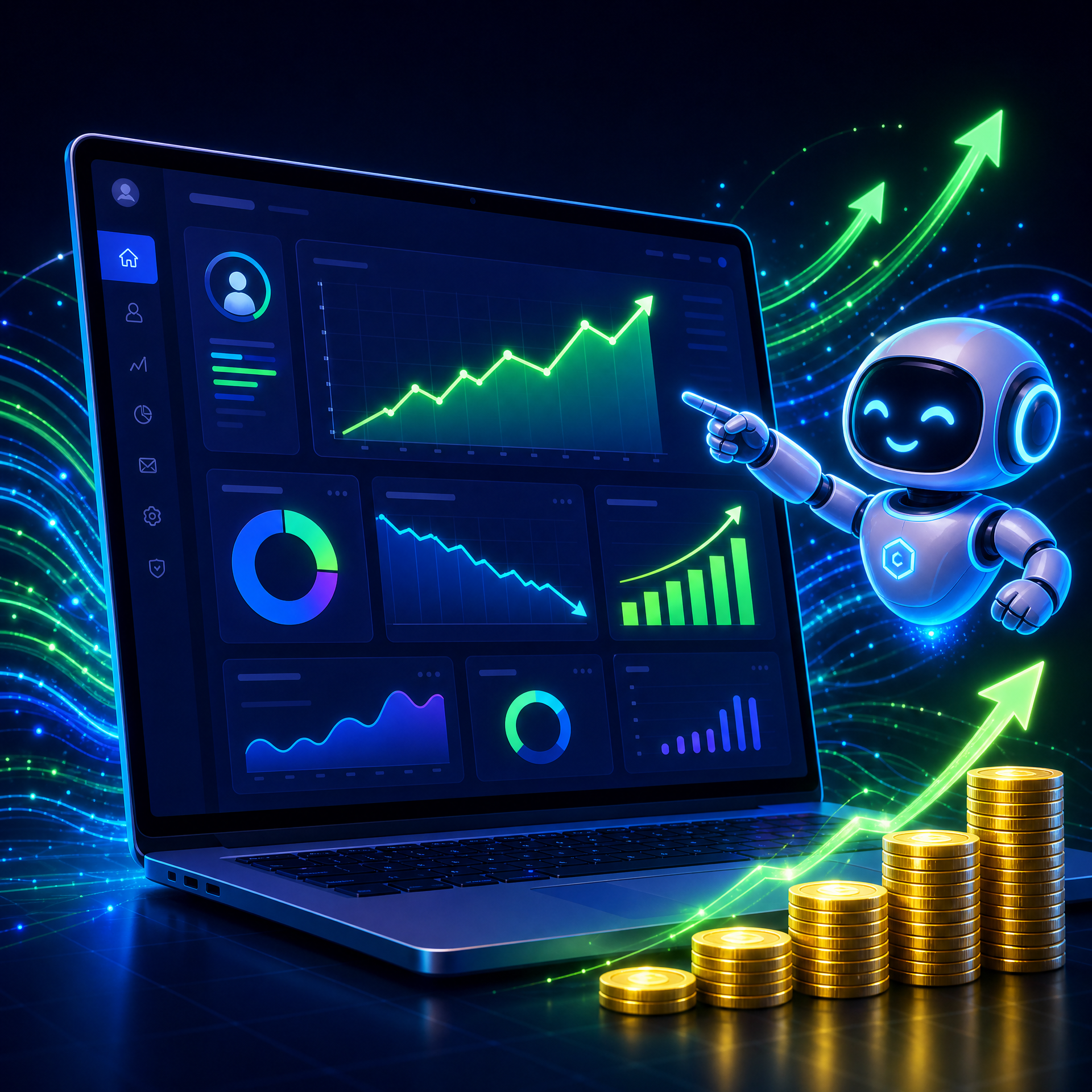
AI integration automates this entire process. With advanced Optical Character Recognition (OCR) and data extraction models, your app can instantly read uploaded documents, extract the relevant information, and populate the correct database fields autonomously. By implementing these AI workflows, you save your users countless hours of manual labor. When your software actively saves people time, it becomes an indispensable part of their daily routine.
6. Intelligent Search and Discovery
Traditional search bars rely on exact keyword matching. If a user misspells a word or uses a synonym, the search returns zero results. In a content-heavy application, this limitation makes discovering information incredibly difficult.
AI-powered semantic search understands the intent and context behind a query, not just the literal characters. If a user searches for “fix broken screen,” the AI understands they are looking for “display repair guides” and returns the correct results, even though the exact keywords do not match. This intelligent discovery mechanism ensures that users can always find what they need, keeping them engaged within your ecosystem.
7. Dynamic Content Generation
Many applications require users to create content, whether it is drafting an email, writing a project brief, or generating a report summary. Staring at a blank page is intimidating and slows down productivity.
Integrating generative AI directly into your application’s text editors provides users with an instant cure for writer’s block. With a single click, the AI can draft a professional email, summarize a long thread of notes, or expand a bulleted list into a comprehensive proposal. By providing these generative tools natively, you keep users inside your application rather than forcing them to switch to external AI writing platforms.
8. Real-Time Sentiment Analysis
For applications that deal with customer communication—such as CRM platforms, helpdesks, or social media management tools—understanding the emotional state of the customer is critical.
AI integration allows your software to perform real-time sentiment analysis on incoming messages. If a customer sends an angry email, the AI instantly flags it and routes it to a senior representative. This intelligent triage ensures critical issues are handled immediately, preventing churn and protecting brand reputation.
9. Continuous Security and Anomaly Detection
Security is paramount for any modern application, especially in the SaaS space where you are handling sensitive customer data. Traditional security measures rely on static rules that hackers frequently bypass.
AI-powered security systems continuously monitor your application’s traffic patterns and user behaviors. They establish a baseline of normal activity and instantly flag any deviations. If a user suddenly attempts to download the entire database at 3:00 AM from an unrecognized IP address, the AI instantly locks the account and alerts the administrator. This dynamic anomaly detection provides a level of security that static rules simply cannot match. Tech authorities like Forbes consistently highlight AI security as a top priority for modern enterprises.
10. The Competitive Necessity
Ultimately, the most compelling reason to integrate AI into your application is survival. The market is saturated. If your competitor’s application can automatically generate reports, proactively assist users, and operate via natural language, while your application still requires manual clicks and complex navigation, you will lose your user base.
Users are no longer impressed by basic automation; they demand intelligent execution. By embracing AI automation for entrepreneurs, you future-proof your product. You transition from selling a static tool to providing a dynamic, intelligent partner that actively helps your users achieve their goals.
Building the Intelligent Future
The integration of artificial intelligence is the defining characteristic of modern software development. It is the bridge between a good application and an indispensable one. For developers and founders, the challenge is no longer deciding whether to integrate AI, but rather how quickly and effectively they can do it.
Building robust AI features requires specialized knowledge. It involves navigating complex APIs, managing data privacy, and ensuring that the AI models are fast, accurate, and cost-effective. Attempting to build these systems from scratch can delay your product launch by months and drain your engineering resources. The smartest path forward is partnering with experts who live and breathe AI development.

Ready to Supercharge Your App with AI?
Do not let your application fall behind the curve. Your users expect intelligent features, and your competitors are already building them.
At K2-You Services, we specialize in full-service app development and AI integration. Whether you are building a new platform from scratch or upgrading an existing SaaS product, our expert team will implement the intelligent features that drive explosive growth and user retention.
Stop building static software. Start building the future now.
Visit K2-You.com to get a free consultation and estimate!